A new kind of family life
A family life that sets an example for your child and those around you, open to other languages and cultures. Years later you will find you have an open door in another country.
Volunteer, Take Action!
European Solidarity Corps (ESC)
A programme that lets you volunteer on social work in an EU or candidate country — entirely free of charge.
Age
18–30
Open to all young people
Duration
2–12 months
Short term 2–8 weeks
Requirements
None
No language or degree required
Per week
30–35 hours
Two days off a week
The European Solidarity Corps (ESC) is a programme that lets you volunteer on social work for a civil society organisation or a local community in an EU or candidate country for a set period — entirely free of charge.
An ESC project may be short term (2–8 weeks; only for young people with disabilities or fewer opportunities) or long term (2–12 months). Volunteers have two days off a week, plus two days' leave a month. No conditions such as language skills or a university degree are required; basic English makes communication easier at training sessions and meetings.
Costs covered during the programme:
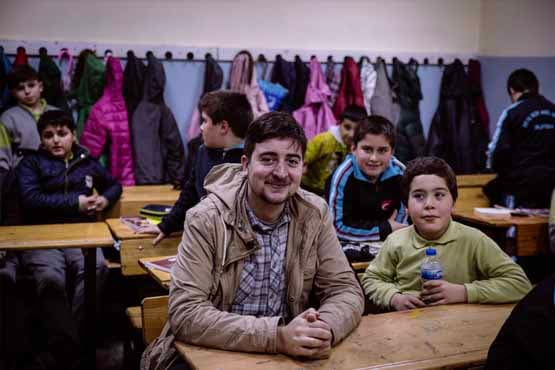
The International Volunteering Programme creates mobility opportunities for young people, particularly those aged 18–30, to volunteer individually or in groups. Its aims are:
All Erasmus+ programmes in Türkiye, and therefore the ESC, are coordinated by the Turkish National Agency. Volunteer Movement has been an accredited organisation since May 2010; it runs ESC projects as both a sending and a hosting organisation. It sends volunteers abroad and hosts volunteers coming to Türkiye.
Host Family
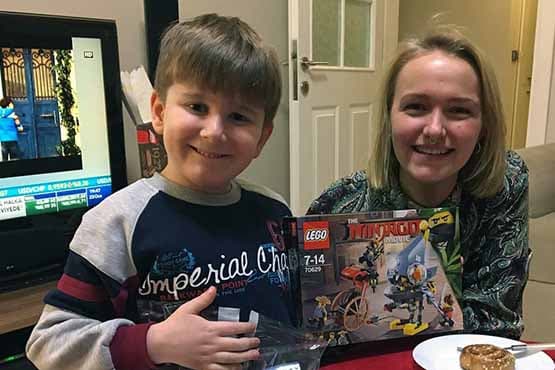
A host family is the family in whose home a volunteer stays. By opening their home, families do more than meet a need for accommodation; they share a great deal more.
Under the international projects Volunteer Movement runs, volunteers aged 17–30 come to Bursa from various European countries and work here for 2 to 12 months. They take part in 30–35 hours of planned activities a week. It is a unique experience for every member of the family: even if you never travel, you can bring the world into your home.
A family life that sets an example for your child and those around you, open to other languages and cultures. Years later you will find you have an open door in another country.
By hosting a guest you will find yourself using English in every part of your life. While teaching the volunteer Turkish, you get the chance to learn their language too.
Why are there portraits of Atatürk everywhere? Why do people kiss elders' hands at bayram? Like every volunteer who comes here, you become a cultural ambassador through this programme.
With volunteers who ask about everything like curious children, you will discover in your own home much that you could not easily learn even by travelling to their countries.
Applying and the final preparations
Once you have the agreement of everyone in the family, all you need to do is fill in the Volunteer Application Form. We select the volunteers who will come after a thorough application and interview process and match families and volunteers with care; we contact the selected families 3 to 6 weeks before the projects.
Volunteer Application Form →